The education system has been a vital part of our society for centuries, but many argue that the teaching methods currently used are antiquated and in need of reform. Traditional education is based on a model that dates back to the Industrial Revolution, where students are treated like factory workers and expected to sit still, listen, and memorize information. However, the world has changed dramatically since then, and so too should our approach to education.
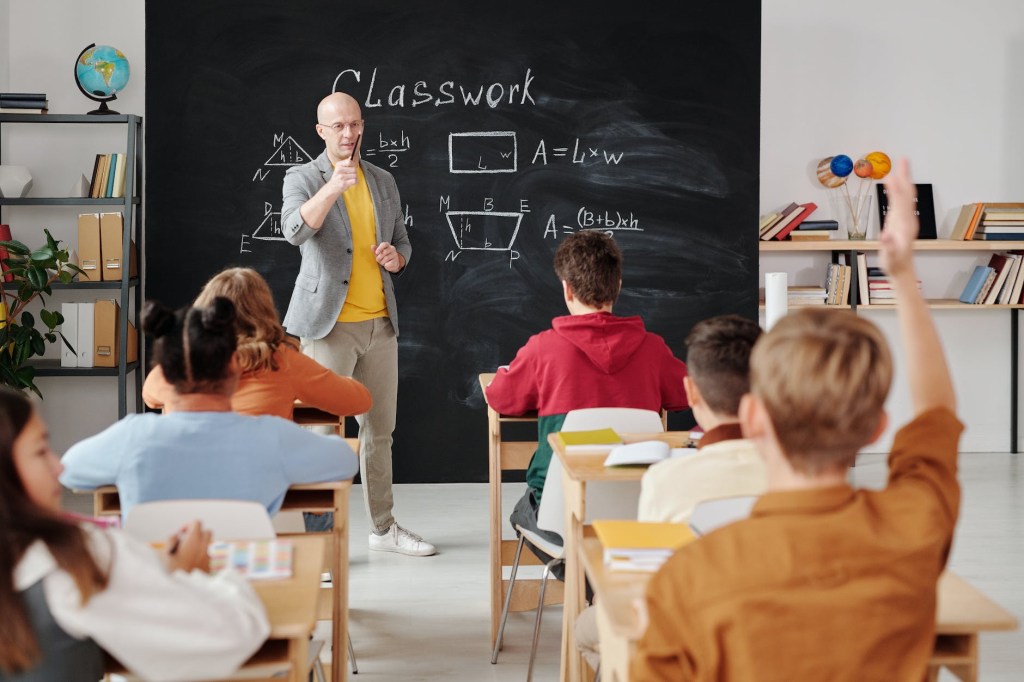
One of the most significant criticisms of current teaching methods is that they fail to engage students. Passive learning is the norm in many classrooms, with students sitting quietly and listening to a teacher talk for hours on end. This approach is not only tedious but also ineffective. Studies have shown that students are more likely to remember information when they are actively engaged in the learning process.
Another issue is the emphasis on memorization and regurgitation of facts. This approach does not encourage critical thinking or creativity, which are essential skills in the 21st century. Students should be taught to think for themselves, ask questions, and find solutions to real-world problems.
Technology is also a game-changer in education, but many schools are slow to embrace it. Students today are digital natives and are used to using technology in all aspects of their lives. However, most classrooms are still using textbooks and chalkboards. Technology has the potential to transform education, making it more engaging, interactive, and personalised. For example, online platforms can provide students with individualised learning experiences based on their unique strengths and weaknesses.
Another problem with current teaching methods is that they do not take into account the diverse learning styles and abilities of students. Every student learns differently, and teachers need to be able to adapt their methods to meet the needs of all their students. Unfortunately, many teachers are constrained by rigid curriculums and standardised testing, which leave little room for flexibility and innovation.
In conclusion, current teaching methods are antiquated because they fail to engage students, encourage critical thinking, embrace technology, and cater to diverse learning styles. The education system needs to be reimagined to meet the needs of the 21st century and beyond. By embracing new approaches to education, we can prepare students for a rapidly changing world and equip them with the skills they need to succeed.


Leave a Reply